GT World Challenge: DXDT's Corvette Z06 GT3.R Wins at COTA & Sebring
DXDT Racing proved the versatility of the Corvette Z06 GT3.R on North American sprint circuits by capturing Pro-Am victories.
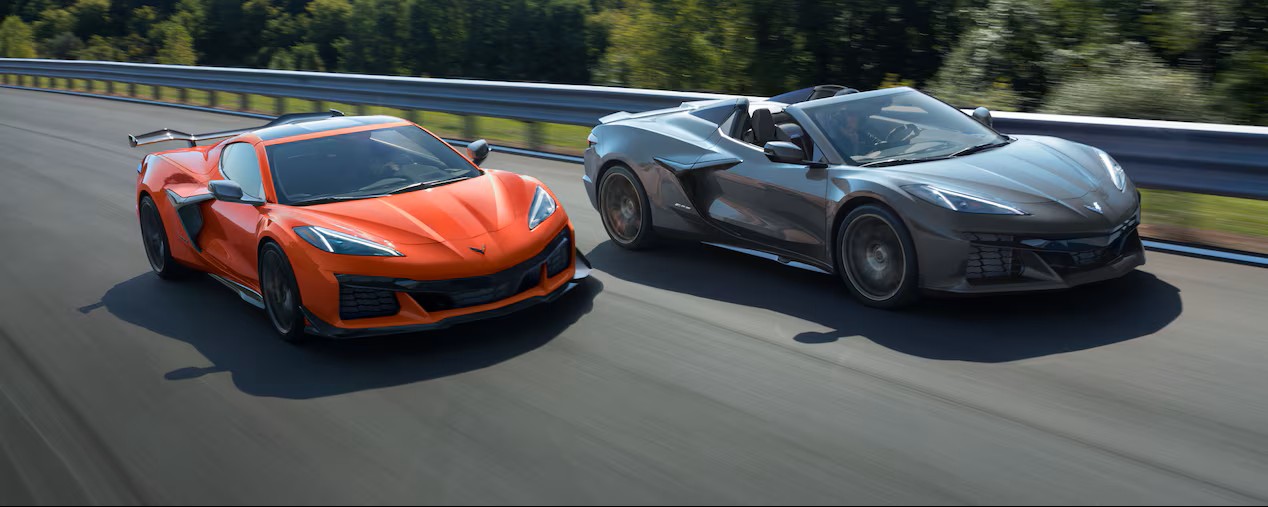
DXDT Racing proved the versatility of the Corvette Z06 GT3.R on North American sprint circuits by capturing Pro‑Am victories in back‑to‑back rounds of the GT World Challenge America. At Circuit of the Americas, the No. 11 Corvette shared by Blake McDonald and Matt Bell started third but climbed to the class lead after a well‑executed pit stop sequence; Bell took advantage of traffic and hot‑track grip to secure the win. In the post‑race interview, Bell emphasised that teamwork and the car's braking performance were decisive. The result marked the Corvette platform's first SRO America victory and demonstrated its sprint‑race punch.
Three weeks later at Sebring, DXDT repeated the feat, proving that the Z06 GT3.R could handle the bumpy airfield circuit as well as COTA's smooth surface. The team used a similar strategy: solid stints from McDonald and a rapid pit stop allowed Bell to leapfrog rivals and claim another Pro‑Am victory.
These results signalled to European and Asian SRO fans that the Corvette is a threat in multi‑series competition.
Related Articles
Championship Battle in the Desert: Champions to be Crowned at WEC Season Finale
At the final round of the FIA World Endurance Championship season, the Bapco Energies 8 Hours of Bahrain from November 6–8 at the Bahrain International Circuit, three manufacturers battle for the world title – decisions in Hypercar and LMGT3 will be made in the exciting desert finale.
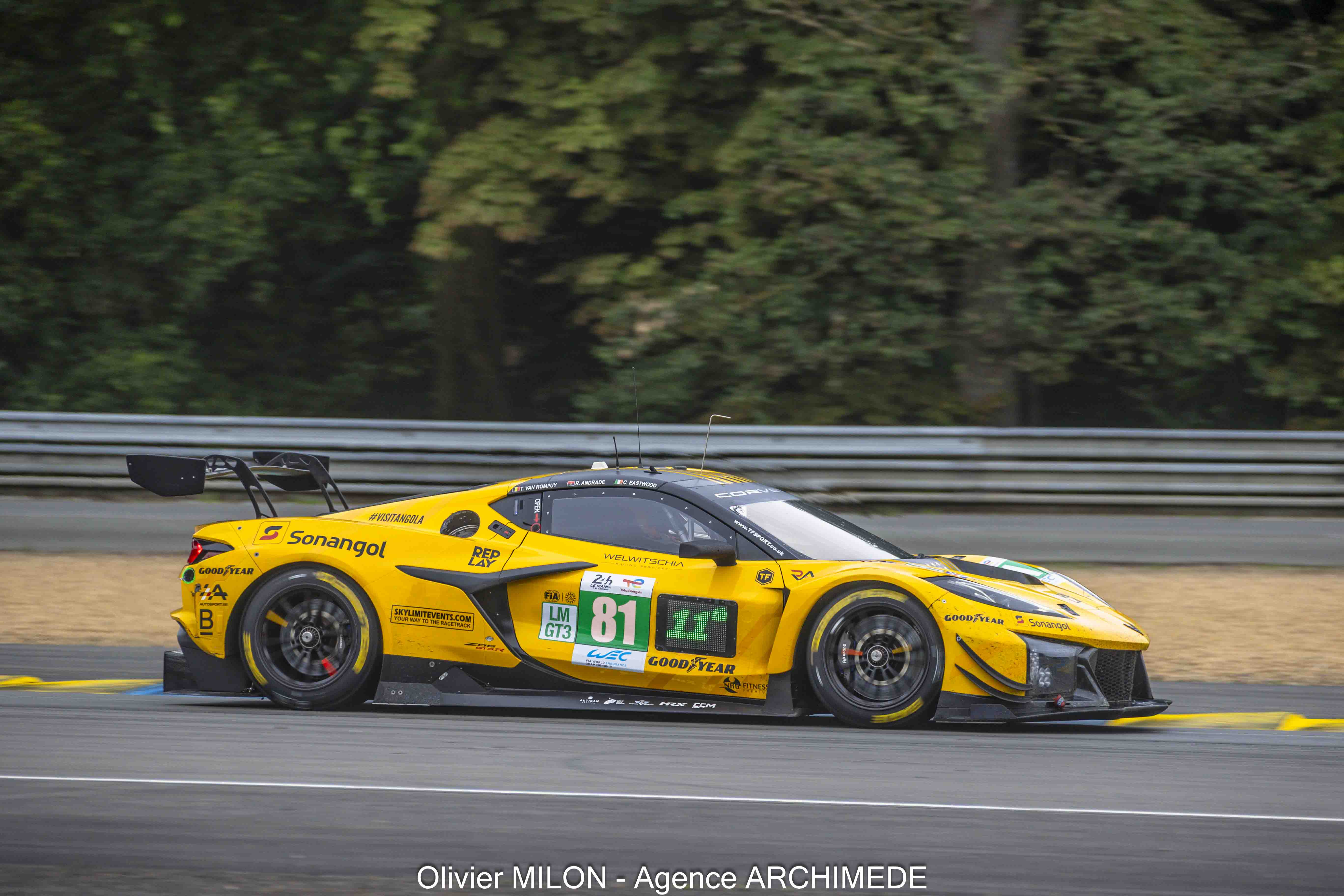
TF Sport Scores WEC Fuji Thriller with Corvette Z06 GT3.R (LMGT3)
TF Sport's nail-biting victory at the FIA World Endurance Championship (WEC) 6 Hours of Fuji showcased the resilience of the customer-run Chevrolet Corvette Z06 GT3.R.
Corvette Wins WEC Season-Opener in Qatar — First LMGT3 Victory
The 2025 WEC season opened under the floodlights of Lusail with the 1812 km race, delivering a historic first for the Corvette Z06 GT3.R.