AWA's Corvette Z06 GT3.R Wins 2025 Rolex 24 (GTD)
Canadian outfit AWA delivered a milestone victory for the new GT3-spec Corvette by winning the GTD class at the Rolex 24 at Daytona.
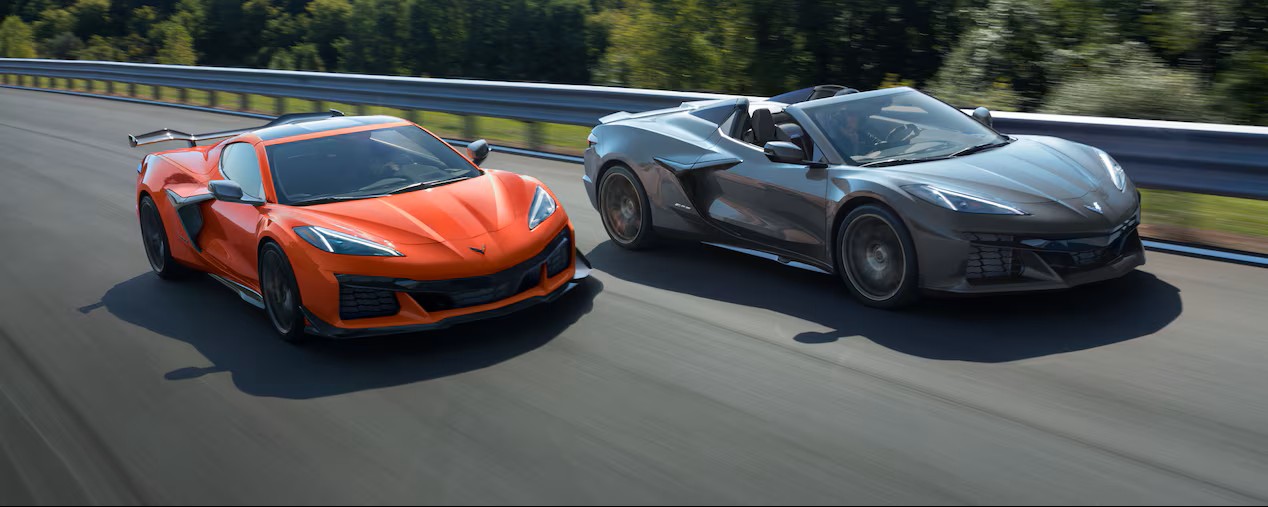
In January 2025, Canadian outfit AWA delivered a milestone victory for the new GT3‑spec Corvette by winning the GTD class at the Rolex 24 at Daytona. Orey Fidani, Matt Bell, Lars Kern and Marvin Kirchhöfer piloted the No. 13 Corvette Z06 GT3.R to a class win that showcased both the car's durability and the depth of GM's customer‑racing programme. IMSA's post‑race analysis pointed out that the team overcame early‑season reliability concerns; driver Matt Bell remarked that the car "always had pace" and credited AWA's preparation and strategy for converting that pace into a 24‑hour triumph.
A few weeks later, Sportscar365 reported that AWA retired the winning chassis, consigning it to the team's museum and pressing a new chassis into service. Team founder Andrew Wojteczko noted that preserving the historic car was a testament to the magnitude of the win, and the quick build of a replacement vehicle underscored AWA's commitment to the remaining season.
The victory signals to European enthusiasts that the Corvette GT3 platform is competitive not only in WEC but also in IMSA and thus worth following across multiple series.
Related Articles
Championship Battle in the Desert: Champions to be Crowned at WEC Season Finale
At the final round of the FIA World Endurance Championship season, the Bapco Energies 8 Hours of Bahrain from November 6–8 at the Bahrain International Circuit, three manufacturers battle for the world title – decisions in Hypercar and LMGT3 will be made in the exciting desert finale.
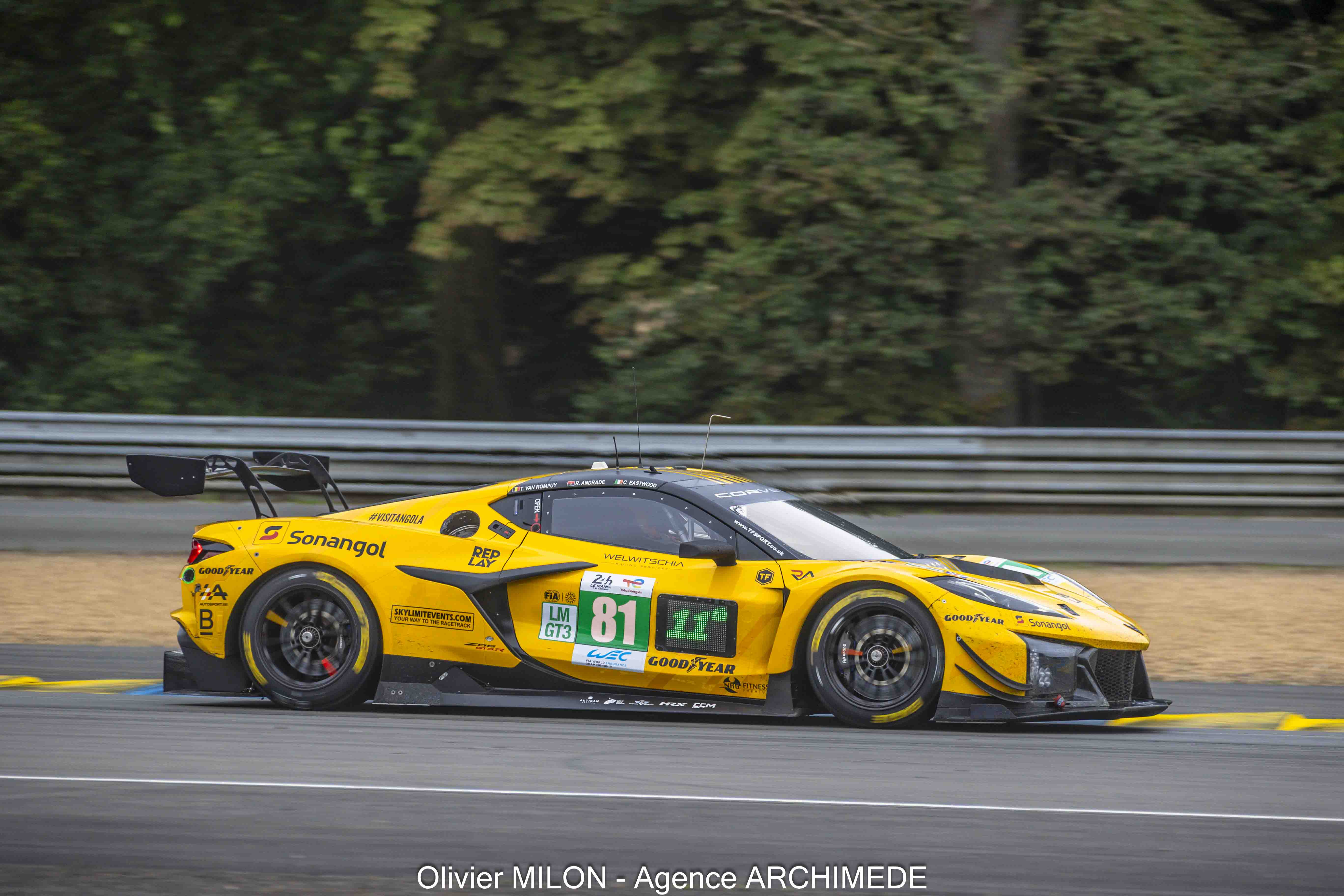
TF Sport Scores WEC Fuji Thriller with Corvette Z06 GT3.R (LMGT3)
TF Sport's nail-biting victory at the FIA World Endurance Championship (WEC) 6 Hours of Fuji showcased the resilience of the customer-run Chevrolet Corvette Z06 GT3.R.
Corvette Wins WEC Season-Opener in Qatar — First LMGT3 Victory
The 2025 WEC season opened under the floodlights of Lusail with the 1812 km race, delivering a historic first for the Corvette Z06 GT3.R.